Wedding Photographer
Complete Guide to Choosing the Perfect Professional for Your Special Day
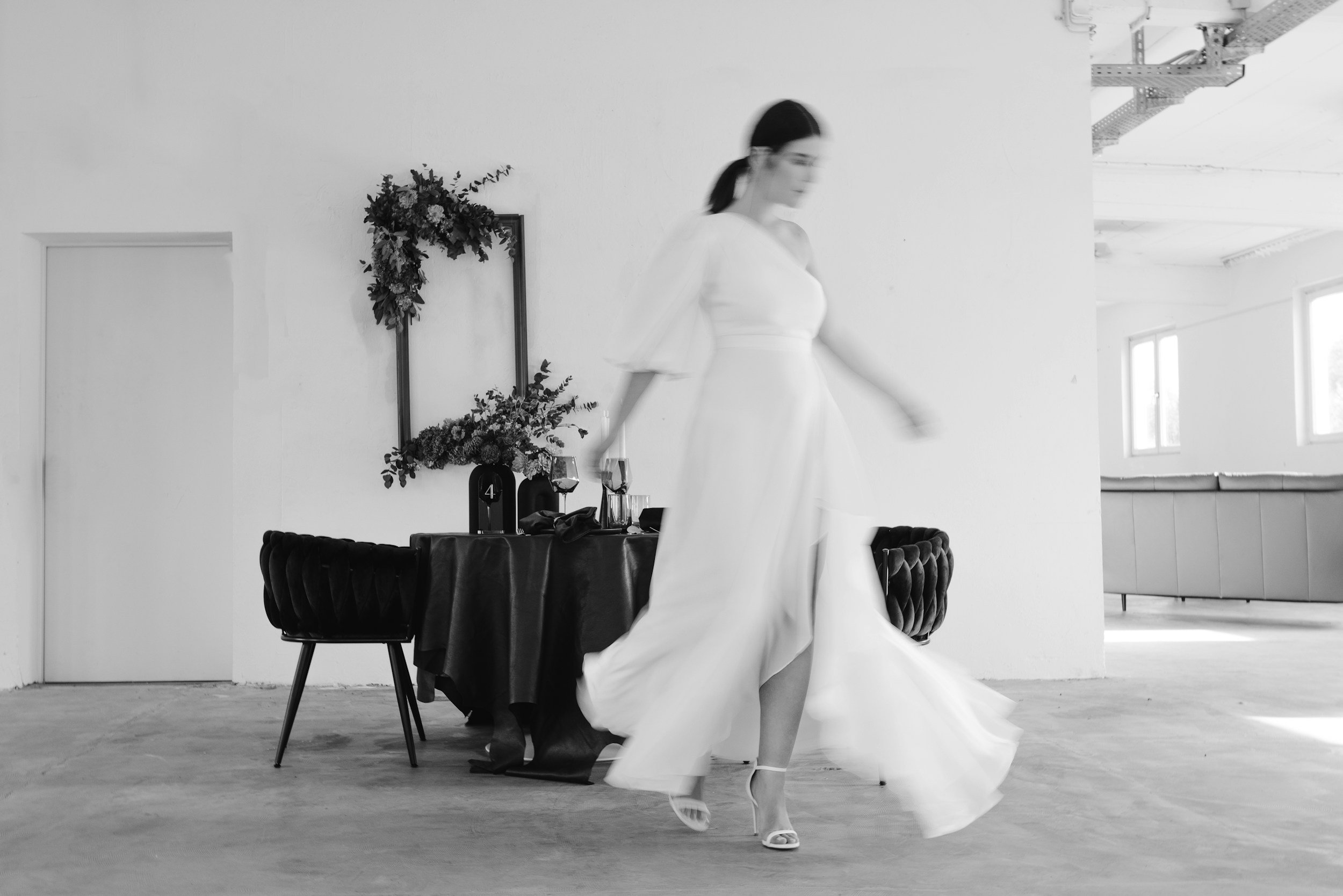
Your wedding day represents one of the most important moments in your life, filled with overwhelming emotions, joy, and precious memories that deserve to be captured perfectly. The right wedding photographer doesn’t just take pictures—they become the storyteller of your love story, preserving fleeting moments and authentic emotions that you’ll treasure for a lifetime.
With so many photographers available, choosing the perfect professional to document your big day can feel overwhelming. From understanding different photography styles to navigating packages and pricing, there’s a lot to consider. This comprehensive guide will walk you through everything you need to know about finding and hiring the ideal wedding photographer who can make your wedding day uniquely yours through stunning imagery.
What is a Wedding Photographer?
A professional wedding photographer specializes in capturing weddings, engagements, and related celebrations through expertly crafted imagery. These skilled professionals go far beyond simply taking wedding photos—they serve as visual storytellers who document the authentic emotions, intimate moments, and cherished details that make each celebration special.
Wedding photographers possess unique expertise in managing the complex dynamics of a wedding day. They’re experienced in working with varying lighting conditions, from bright outdoor ceremonies under natural sunlight to dimly lit receptions with challenging artificial lighting. This technical mastery allows them to capture beautiful moments regardless of the venue or time of day.
Beyond technical skills, exceptional wedding photographers excel at coordinating with other vendors, managing tight timelines, and directing group photos efficiently while keeping the atmosphere relaxed and enjoyable. They understand how to work discreetly during intimate ceremony moments while ensuring they capture all the essential shots couples want.
The role requires a unique blend of photojournalism skills for candid documentation, portrait expertise for posed shots, and storytelling ability to create a cohesive narrative of the entire celebration. Professional wedding photographers typically deliver between 500-1,200 edited images within 4-8 weeks, providing couples with a comprehensive photo gallery that tells their complete wedding story.
Most importantly, skilled photographers know how to make couples and their loved ones feel comfortable throughout the day, encouraging natural expressions and genuine emotions that result in authentic photos filled with real meaning and connection.
Wedding Photography Styles and Approaches

Understanding different photography styles helps you identify which approach aligns with your vision for documenting your special day. Each style offers distinct advantages and creates different types of wedding pictures that appeal to various couple preferences.
Photojournalistic Wedding Photography
Photojournalistic wedding photography embraces a candid, documentary-style approach that captures natural moments as they unfold throughout your wedding day. This style prioritizes authentic emotions and spontaneous interactions, creating wedding reportages that feel genuine and unforced.
Photographers using this approach work unobtrusively, allowing events to happen naturally while capturing candid moments between family and friends. You’ll see genuine laughter, tears of joy, and unguarded expressions that reflect the true atmosphere and feelings of your celebration.
This style is ideal for couples who prefer minimal posing during their ceremony and reception. The photographer focuses on documenting the story as it happens, from the nervous anticipation during preparations to the emotional ceremony moments and joyful party atmosphere. The result is a collection of meaningful photos that showcase real emotions and spontaneous interactions.
Photojournalistic wedding photographers excel at anticipating moments before they happen, positioning themselves to capture fleeting expressions and reactions. They understand how to remain invisible while ensuring no important moment goes undocumented.
Editorial Wedding Photography
Editorial wedding photography creates magazine-quality images with artistic composition and dramatic lighting that could appear in high-end fashion or lifestyle publications. This approach blends carefully crafted environmental shots with posed portraits, resulting in visually striking wedding films and photo collections.
This style often features dramatic black and white images alongside vibrant color photography, creating diverse visual narratives that emphasize both timeless charm and contemporary aesthetics. Editorial photographers pay special attention to all the little details, from the wedding dress fabric texture to architectural elements of the venue.
Popular for luxury weddings and couples seeking a high-fashion aesthetic, editorial photography requires more direction and planning than photojournalistic styles. The photographer works as a creative director, carefully composing shots that showcase the couple’s unique personality while creating artistically compelling images.
Editorial wedding photographers often incorporate dramatic lighting techniques and creative angles to produce images with significant visual impact. This style works particularly well for destination weddings or venues with distinctive architectural features that can enhance the artistic composition.
Traditional Wedding Photography
Traditional wedding photography focuses on classic posed portraits and formal group photographs that have been wedding staples for generations. This structured approach ensures comprehensive documentation of all key moments, including essential shots like the ring exchange, first kiss, and bouquet toss.
The traditional style follows a more organized timeline with planned family photos and couple portraits. Photographers using this approach excel at efficiently managing large groups while ensuring everyone looks their best in formal family photographs that will become treasured keepsakes.
This style is perfect for couples who want complete documentation of all key moments and formal portraits with their loved ones. Traditional photographers work systematically through shot lists, ensuring no important combination of family members or wedding party groupings is missed.
While more structured than other approaches, skilled traditional photographers still capture natural expressions and genuine emotions within the posed framework. They understand how to direct subjects effectively while maintaining a relaxed atmosphere that encourages authentic smiles and comfortable body language.
Choosing the Right Wedding Photographer
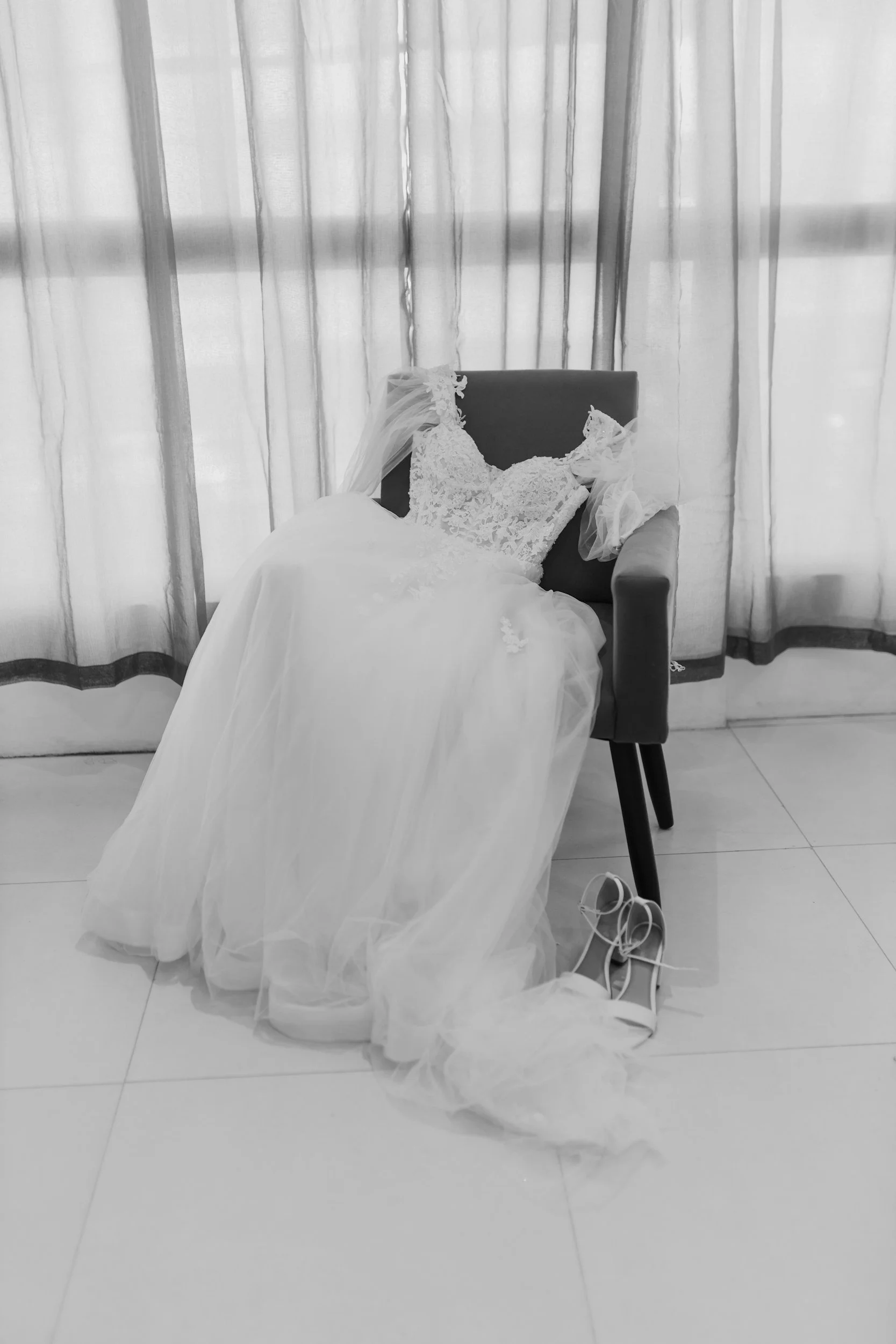
Selecting the perfect wedding photographer requires careful consideration of multiple factors beyond just looking at pretty pictures on social media. The right professional will align with your vision, work style, and budget while delivering exceptional results that exceed your expectations.
Portfolio and Style Assessment
Review complete wedding galleries rather than just highlight reels to get an accurate sense of a photographer’s consistency and capabilities. Social media often showcases only the best shots, but full galleries reveal how photographers handle various lighting conditions, different venues, and challenging moments throughout entire wedding days.
Look for consistency in quality across different scenarios—outdoor ceremonies, indoor receptions, bright sunlight, and dimly lit venues. The best photographers maintain their artistic vision and technical excellence regardless of environmental challenges. Pay attention to how they capture emotions during different parts of the celebration, from quiet preparation moments to energetic party scenes.
Ensure their style matches your vision for the balance between candid versus posed photography. Some couples prefer mostly photojournalistic coverage with minimal posing, while others want a mix that includes traditional formal portraits. Review how potential photographers handle group photos, as this can significantly impact your wedding day timeline.
Check for experience with venues similar to your chosen location. Photographers familiar with your venue understand optimal lighting conditions, best photo locations, and potential challenges specific to that space. This familiarity translates to better results and smoother wedding day execution.
Experience and Credentials
Professional wedding photographers should have a minimum of 3-5 years of dedicated wedding photography experience. This timeframe allows photographers to encounter various situations and develop the skills necessary to handle unexpected challenges while maintaining composure under pressure.
Look for published work in wedding magazines or photography awards as quality indicators. Recognition from industry publications demonstrates peer acknowledgment and suggests the photographer produces work that meets professional standards. Professional association memberships, such as WPPI (Wedding & Portrait Photographers International), indicate commitment to ongoing education and industry best practices.
Discuss backup equipment and contingency plans for unexpected situations. Professional photographers carry duplicate cameras, extra lenses, additional memory cards, and backup lighting equipment. They should have clear plans for handling equipment failures or emergencies that could impact your wedding coverage.
Experience photographing weddings similar to yours in size, style, or cultural traditions provides valuable context. Ask to see examples of work from celebrations that share characteristics with your planned event, whether it’s intimate elopements, large receptions, or specific cultural ceremonies.
Personal Connection and Communication
Schedule an engagement session or detailed consultation call before making your final booking decision. This interaction allows you to assess your comfort level and communication style with potential photographers. You’ll spend significant time with your chosen photographer on your wedding day, so feeling relaxed and confident in their presence is essential.
During initial meetings, discuss timeline expectations and photography preferences in detail. Professional photographers should ask thoughtful questions about your priorities, must-have shots, and any concerns you might have. They should also explain their typical workflow and how they handle various scenarios.
Ensure your photographer understands your cultural traditions and family dynamics. Different ceremonies have specific customs and meaningful moments that require cultural sensitivity and advance planning. Experienced professionals ask about religious requirements, family relationship dynamics, and any special considerations that might impact their coverage approach.
Communication style matters significantly during your wedding planning process and on your wedding day itself. Your photographer should respond promptly to questions, provide clear timelines, and demonstrate genuine enthusiasm for your celebration. They should make you feel confident that your special day is in capable, caring hands.
Wedding Photography Packages and Services
Wedding photography packages vary significantly in scope, duration, and pricing, reflecting the diverse needs of different couples and celebration styles. Understanding what’s typically included helps you evaluate options and select the package that best fits your specific requirements and budget.
Full-day coverage typically ranges from 8-12 hours and represents the most comprehensive option for traditional wedding celebrations. This package usually starts during preparation activities and continues through the reception party, ensuring no significant moments are missed throughout your special day.
Half-day packages spanning 4-6 hours work well for intimate ceremonies and smaller receptions. These packages typically focus on ceremony coverage and the first few hours of reception activities, making them ideal for couples with more condensed celebration timelines or budget considerations.
Registry office weddings and simple ceremonies often require minimum 2-3 hour coverage, focusing on the essential ceremony moments and immediate family portraits. These packages provide professional documentation without the expense of full-day coverage.
Engagement sessions are frequently included in comprehensive packages or available as add-on services. These sessions allow couples to become comfortable with their photographer while creating additional meaningful photos that can be used for save-the-dates, wedding websites, or displays at the reception.
After-wedding or trash-the-dress sessions offer additional creative opportunities for dramatic portraits in unique locations or situations where couples can be more adventurous with poses and styling. These sessions often take place in scenic locations like beaches, forests, or urban environments.
Second photographer options provide comprehensive coverage for large weddings where simultaneous events occur in different locations. This service ensures complete documentation of both partners’ preparation activities and captures multiple angles during ceremony and reception events.
Digital gallery delivery typically occurs within 4-8 weeks after the wedding, containing between 500-1,200 professionally edited images depending on the package and event duration. Most photographers provide online galleries that allow easy viewing, downloading, and sharing with family and friends.
Booking Timeline and Logistics
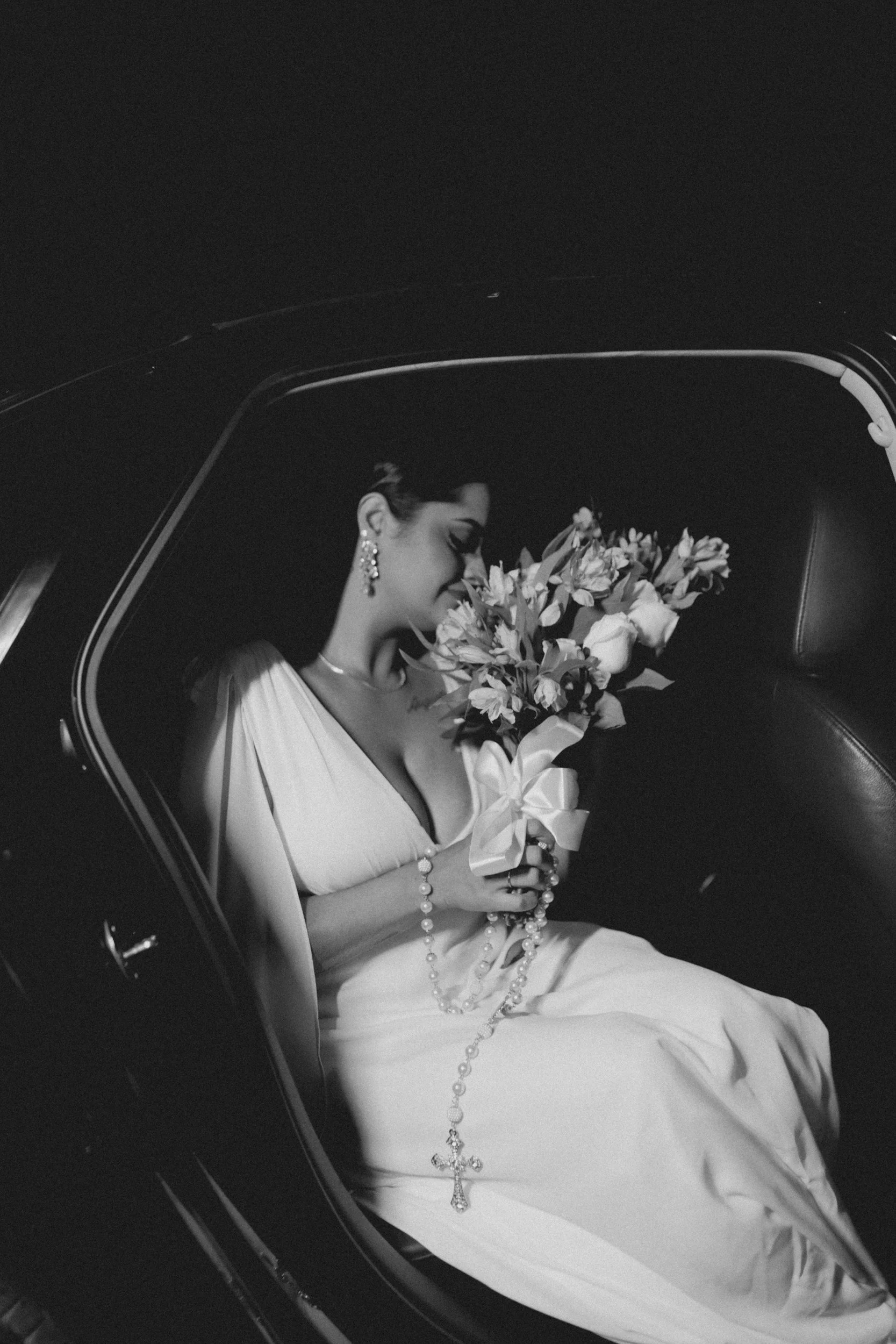
Planning your wedding photographer booking requires strategic timing to secure your preferred professional while allowing adequate time for planning and preparation. Understanding typical booking timelines helps ensure you don’t miss out on your ideal photographer due to late planning.
Book your wedding photographer 12-18 months in advance for peak season dates, particularly if you’re planning a Saturday wedding during popular months like May through October. Popular photographers often have their Saturday dates booked 2+ years ahead, especially for destination weddings or sought-after venues.
Consider weekday or off-season weddings for better availability and potentially more competitive pricing. Many photographers offer reduced rates for Sunday through Thursday weddings or during less popular months. This flexibility can provide access to higher-tier photographers who might otherwise be outside your budget range.
Secure your chosen date with a signed contract and deposit payment, typically ranging from 25-50% of the total package cost. Professional contracts should clearly outline deliverables, timelines, cancellation policies, and what happens in case of emergencies or unforeseen circumstances.
Schedule your final timeline discussion and shot list review 4-6 weeks before your wedding. This conversation covers specific family groupings you want photographed, special moments to prioritize, and any logistical considerations that might impact the photography schedule. This planning session ensures smooth execution on your wedding day.
Final payment is typically due 1-2 weeks before the wedding date. This timing allows any last-minute adjustments while ensuring the photographer’s services are fully secured before your special day arrives.
Destination wedding bookings require additional advance planning to coordinate travel logistics, local permits if necessary, and backup plans for weather-dependent outdoor ceremonies. International destination weddings may need even longer lead times to handle travel documentation and equipment transportation.
What Makes an Exceptional Wedding Photographer
Exceptional wedding photographers possess a unique combination of technical expertise, creative vision, and interpersonal skills that enable them to thrive in the high-pressure, emotionally charged environment of wedding celebrations. Understanding these qualities helps you identify truly outstanding professionals.
Technical Mastery and Equipment Expertise
Proficiency with both digital and film photography equipment
Understanding of manual camera settings for various lighting conditions
Expertise with professional-grade cameras, lenses, and backup equipment
Post-processing skills to enhance images while maintaining natural appearance
Creative and Artistic Abilities
Exceptional eye for unique angles, lighting, and compositional opportunities
Ability to capture authentic emotions and fleeting moments with artistic flair
Creative problem-solving skills for challenging venues or weather conditions
Understanding of color theory, depth of field, and visual storytelling techniques
Interpersonal and Communication Skills
Strong ability to direct large groups and manage complex family dynamics
Talent for making couples and guests feel comfortable and relaxed
Clear communication about timelines, expectations, and logistics
Cultural sensitivity and adaptability to different celebration traditions
Professional Business Practices
Detailed contracts with clear deliverables and timeline commitments
Reliable backup plans including secondary equipment and assistant photographers
Professional liability insurance and proper business licensing
Consistent delivery timelines with quality assurance processes
Emotional Intelligence and Pressure Management
Ability to remain calm and professional during emotional or stressful moments
Skill in reading situations and adapting approach accordingly
Patience with complex family dynamics and varying comfort levels
Understanding of when to be directive versus when to work unobtrusively
The best wedding photographers combine these qualities seamlessly, creating an experience that feels natural and enjoyable while producing beautiful memories that capture the essence of each couple’s unique celebration. They understand that their role extends beyond technical photography skills to include event coordination, family diplomacy, and emotional support throughout one of life’s most important days.
Look for photographers who demonstrate genuine enthusiasm for your celebration and show evidence of these qualities through their portfolio, client testimonials, and personal interactions. The right photographer will make you feel confident that your precious memories are in experienced, caring hands.
Conclusion
Choosing the perfect wedding photographer requires careful consideration of multiple factors, from understanding different photography styles to evaluating technical expertise and personal compatibility. The right professional will capture not just images, but the authentic emotions and beautiful moments that make your celebration unique.
Start your search early, ideally 12-18 months before your wedding day, to ensure access to the best photographers in your area. Take time to review complete portfolios, meet with potential candidates, and discuss your vision thoroughly. Remember that the most expensive option isn’t necessarily the best fit—focus on finding a photographer whose style resonates with your preferences and who makes you feel comfortable and confident.
Your wedding investment in professional photography will pay dividends for years to come, providing you and your loved ones with a timeless photo gallery that tells your love story for generations. These images will become some of your most treasured possessions, making the careful selection of your wedding photographer one of the most important decisions in your wedding planning process.
Take the time to research photographers in your area, schedule consultations with your top choices, and trust your instincts when making this important decision. The perfect wedding photographer is out there waiting to capture your special day and create beautiful memories that will last a lifetime.
